Few wedding wishes are viewed with as much sensitivity as the topic of monetary wedding gifts. Today, many couples consciously choose to ask for money as a wedding gift—whether for a trip together, to furnish their new home, or as a symbolic foundation for their life together. Guests are often faced with the question: How much is appropriate? How can you give money without it seeming impersonal? And how do you communicate such a request without raising or hurting expectations? At modern, bi- or multicultural weddings, different traditions and ideas come together. In some cultures, giving money as a wedding gift has been considered proper etiquette for generations. In others, it comes across as pragmatic or even unromantic. But times are changing. Today, giving money as a wedding gift no longer means simply handing over an envelope. Rather, it’s about appreciation, individuality, and consciously sharing plans for the future.
Reinweiss Hochzeiten supports couples with a delicate touch. The goal is to reconcile modern preferences—such as receiving cash gifts for a wedding—with family expectations and cultural norms. With many years of experience in planning exclusive, intercultural Solutions are born from weddings and a deep understanding of both social and emotional dynamics. These solutions are not only stylish and elegant—but above all, authentic.
How to Ask for Cash Gifts in an Elegant Way
At a time when many couples are already living together and consciously scaling back their material desires, the challenge lies in expressing this wish in a personal and charming way. A tactful choice of words in the Invitation can work wonders. Phrases like „Your presence is the best gift of all. However, if you’d still like to bring a small token of appreciation, we’d be delighted to receive a contribution toward our shared dream.“ not only express gratitude, but also make the request seem friendly and unobtrusive.
It’s especially nice when guests can see what their contribution is intended for—such as a trip, a garden, or a project close to your heart. This can be conveyed in a stylish way on a wedding website, through a small insert, or even with a beautifully designed QR code. For intercultural weddings as well, it’s advisable to discuss the request for monetary wedding gifts with the family so that it can be communicated with tact. Because, as is so often the case, it’s not the What, but rather the How, which makes all the difference—even when it comes to gift-giving.
Giving Money as a Gift Around the World: Tradition, Symbolism, and Change
Turkey: Between Pride, Honor, and Family Ties
In many cultures, giving money as a wedding gift is a deeply rooted tradition. It symbolizes good fortune, prosperity, and support for the couple as they embark on a new chapter in their lives. The way the gift is presented reflects cultural values and symbolic meanings—sometimes loud and exuberant, other times discreet and respectful.
In Turkish wedding culture, monetary gifts have a long tradition. They are seen not only as practical support but also as a symbolic act of family belonging. This is particularly evident in the so-called Jewelry Ceremony – the ceremonial „decoration ritual.“ Here, guests step forward one by one in front of the bride and groom and use pins to attach paper bills or gold coins (Çeyrek Altın, Tam Altın) directly to their clothing—a proud, public act of solidarity.
The closer the relationship to the bride and groom, the more generous the gift. In addition, records are often kept to track the giving and returning of gifts across generations. Today, modern couples increasingly prefer more understated options—such as custom-designed money boxes or elegant envelopes. Reinweiss Hochzeiten offers creative concepts that honor tradition while blending modern aesthetics.

Arab Countries: Generosity as a Gesture of Love and Honor
In many Arab countries—from the Gulf states to Lebanon and Morocco—a wedding is a major social event. Cash gifts given at weddings symbolize generosity, honor, and the wish for a blessed life together. The Mahr (Dowry) is just as much a part of it as generous contributions from the guests.
At many celebrations, banknotes are combined with floral arrangements, gold jewelry, or fine fragrances. A particularly impressive ritual is the „Zaghareet“—a joyful cry from the women, often accompanied by money that is rhythmically „rained down“ on the bride and groom. Here, too, emotional value outweighs material value. Reinweiss Hochzeiten helps Arab-European couples stylishly incorporate this wealth of symbolism into modern concepts.

The Balkans: Community, Pride, and Lavish Celebrations
In countries such as Serbia, Bosnia, Croatia, and Albania, monetary gifts are a central part of wedding celebrations. Particularly well-known is the so-called „money dance,“ in which the bride and groom dance while guests stick bills to their foreheads, tuck them into their clothes, or scatter them on the floor—exuberant joy meets deep warmth here.
Sponsors, such as the Kum (best man or godparent) often present particularly generous gifts—a sign of special honor. Today, modern couples combine traditional elements with stylish details, such as a decorative gift table or elegant gift boxes. Reinweiss Hochzeiten brings these ideas to life in a personalized way—always with a keen sense of cultural authenticity.
Africa: Joy, Spirituality, and a Sense of Community in Action
On the African continent, there is an enormous variety of wedding rituals. In West Africa—for example, in Nigeria or Ghana—during the Money Spraying Dance Throwing money at the dancing couple. It brings joy and blessings and symbolizes that the couple may be surrounded by prosperity.
In South Africa, on the other hand, decorative envelopes or lovingly designed gift boxes are the norm. In rural areas, gifts in kind or collectively organized gifts also play a role. What all these variations have in common is that a monetary wedding gift is an expression of deep affection. Reinweiss Hochzeiten helps African-European couples integrate this diversity respectfully and creatively into their celebration.

Asia: Symbolism and Aesthetics
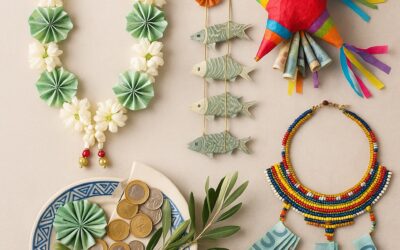
In China, it is traditional to present money in a red envelope—the Hongbao. The color symbolizes good luck, and the amounts of money should be odd numbers, as they are considered lucky numbers. The number 4 is avoided because it sounds similar to the word for „death.“.
In Japan, people use artistically designed envelopes (Shūgi-bukuro) with decorative cords. Here, too, odd numbers are common—as a symbol of the indivisibility of the bond. Both combine style, symbolism, and respect.
Germany: Creativity and individuality
In Germany, too, giving cash as a wedding gift is very common—though often with a creative twist. Popular gifts include homemade piggy banks, dioramas, or symbolically wrapped bills. Many couples include hints about their preferred monetary gifts in their invitations—discreetly, charmingly, and with a touch of humor.
Digital Solutions and Modern Trends
Thanks to digitalization, new possibilities are opening up: online wish lists, honeymoon funds, or QR codes on invitations make it possible to give gifts in a discreet, targeted way—without losing the emotional significance.
Cash gifts for weddings are much more than just a financial contribution—they are an expression of appreciation, love, and cultural identity. The variety of customs around the world shows that there is no „right“ way—but there are many heartfelt, personal options.
Reinweiss Hochzeiten We help couples bring these wishes to life in a stylish, respectful, and creative way. With a keen sense of cultural nuances and an international network, we create unforgettable moments where tradition and modernity blend harmoniously.
If you're unsure how to elegantly phrase your gift requests, feel free to sign up for a free Initial Consultation