Every culture carries its very own language of love – a language expressed in symbols, rituals, and festive gestures. As a wedding planner for intercultural weddings In Berlin, we specialize in supporting couples. They celebrate their love while not only preserving their cultural roots, but also stylishly carrying them into the future. We know: these rituals are more than tradition—they are bridges between origin and the present, between two families, and often between two worlds.
International wedding rituals that are easy yet impressive to implement
Ukrainian wedding traditions
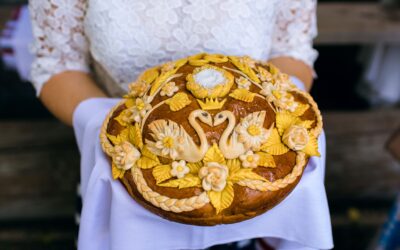
In Ukraine, bread plays a central role. The artfully decorated wedding bread, the Korovai, is a symbol of prosperity and fertility. Every detail, from small birds to delicate leaves, tells of the family's wishes for the young couple. Equally deeply rooted is the lighthearted tradition of the bride kidnapping: friends of the groom „kidnap“ the bride. The groom must then win her back with wit, skill, or a symbolic ransom. A playful custom that clearly shows how firmly humor and family bonds are a part of Ukrainian weddings.
Polish wedding rituals
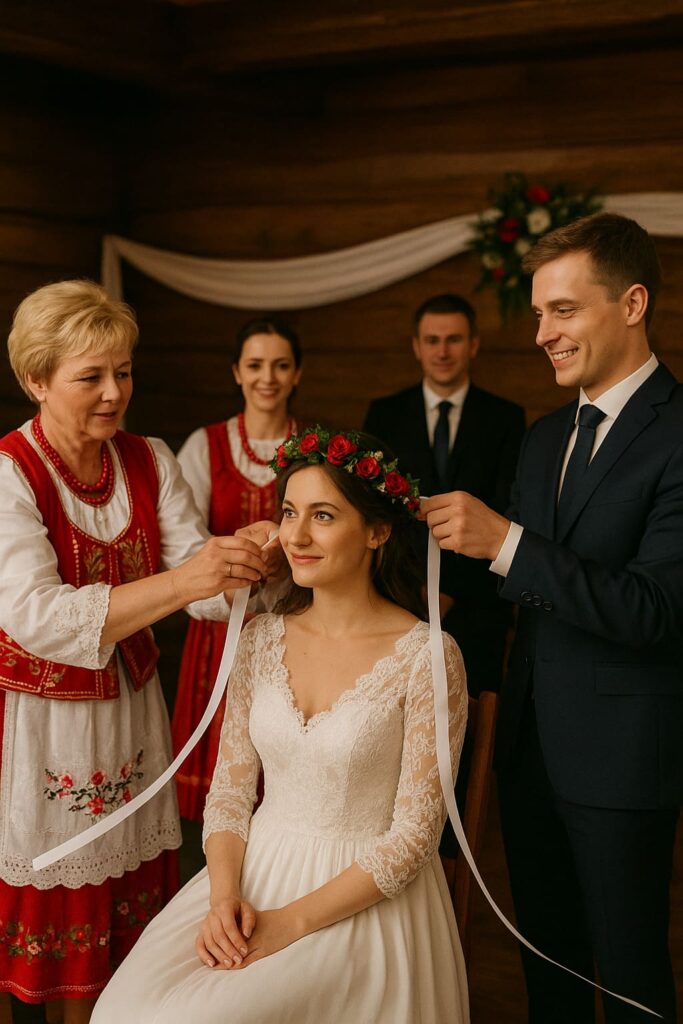
In Poland, too, the celebration begins with bread, salt, and often a glass of vodka. The couple's parents present these gifts at the entrance to the reception. The ritual is full of symbolism. The bread stands for abundance, the salt for the unavoidable trials of life, the vodka for joy and lightness. Whoever gets the glass of vodka jokingly takes on the role of the „decision-maker“ in the marriage. At midnight follows the Wedding reception games and traditionsThe bride's veil is removed and replaced with a cap. It is a moment that marks the transition into married life and evokes emotions in guests and the bridal couple alike. A wedding planner can help seamlessly integrate intercultural wedding details here.
The Turkish Henna Night
In Turkey, the transition is already celebrated on the evening before the wedding: the Henna Night, the henna night. The bride wears a red dress, and her hands are painted with intricate henna patterns. Accompanied by songs and rituals, she symbolically weeps for her parental home. At the same time, joy and hope for the future resonate. On the wedding day itself, the red ribbon a central role: It is tied around her waist by a brother of the bride. It symbolizes both purity and family protection. A custom that emphasizes the importance of family and tradition and can be taken into account when planning intercultural weddings.
This is how people celebrate in Vietnam…
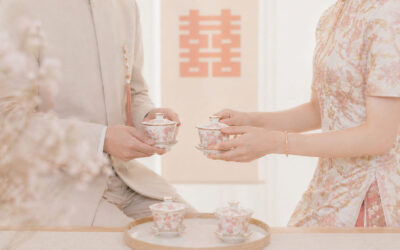
In Vietnam, weddings are festive acts of gratitude and respect. Traditionally, the bride’s family welcomes the groom’s family with gorgeously decorated red boxes. These are filled with gifts such as tea, fruit, or jewelry. During the subsequent tea ceremony, the couple serves tea to their parents, bows, and thanks them for their care and support. A heartfelt moment that emphasizes the bond between generations. The bride often wears a Ao dai, the elegant, floor-length silk dress in red or gold, colors that symbolize happiness and wealth.
Italian wedding dance
In Italian the wedding is celebrated with joie de vivre and culinary delight. The dance of Tarantella gets guests and family moving with exuberance. Meanwhile, sweet gifts carry symbolic meaning. The famous „confetti“—five sugar-coated almonds—are presented to each guest. They represent love, health, wealth, fertility, and a long life. In some regions, the veil is also tossed. Sometimes the groom's tie is even cut into pieces, which are distributed as lucky charms. Everything in Italy is an expression of joy and the desire to share happiness, something that an intercultural wedding planner should naturally take into account when organizing.
The Persian wedding spread
In Iran is the wedding ceremony dedicated to a richly laden table – the Sofreh Aghd. On this festively arranged table, there are a mirror, candles, sugar cones, honey, spices, and almonds. Each element has its own meaning: the light of the candles stands for enlightenment, the mirror for brightness, the honey for a sweet future. During the ceremony, female relatives rub two sugar cones over the couple. In this way, happiness and sweetness trickle down upon them. A ritual full of elegance and sensuality that in its splendor touches people far beyond the country's borders. A wedding planner for such intercultural weddings should take this into account.
French wedding cake
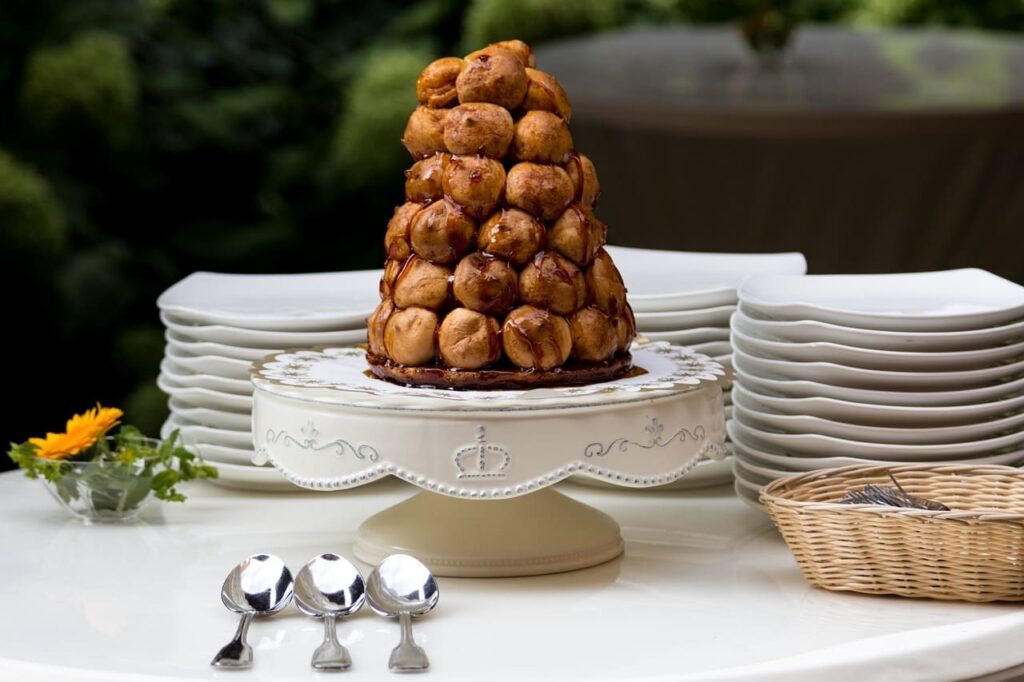
And finally France: Here, no classic Wedding cake, but the Croquembouche, an ornate tower of small cream puffs, caramelized and glistening like a sweet structure. Also the Sugared almonds, small almonds in sugar, are indispensable – five in number, for happiness, health, wealth, fertility, and a long life. They are a sign of gratitude and sharing, just like the festive mood that permeates French weddings. A wedding planner with intercultural experience could bring valuable know-how here.
All of these traditions are expressions of culture, identity, and the desire to shape life together. And they show that while love is universal, every culture tells its own story about it. As experienced wedding planners in Berlin, we at Reinweiss Hochzeiten understand just how valuable these rituals are. We know how to sensitively integrate them into a modern celebration. We create intercultural weddings that respectfully incorporate traditions, stylishly blend them with contemporary elements, and thereby craft a unique narrative for each couple.
If you want a wedding that is not only celebrated, but lived and told – with Rituals, ...that honor your heritage while creating a modern celebration full of elegance—then you’re in the best hands with Reinweiss Hochzeiten. Contact us, and let’s work together to design a celebration of love that tells your story and will be remembered for generations to come. When it comes to wedding planners for intercultural weddings, we’re here for you.